What should you bear in mind?
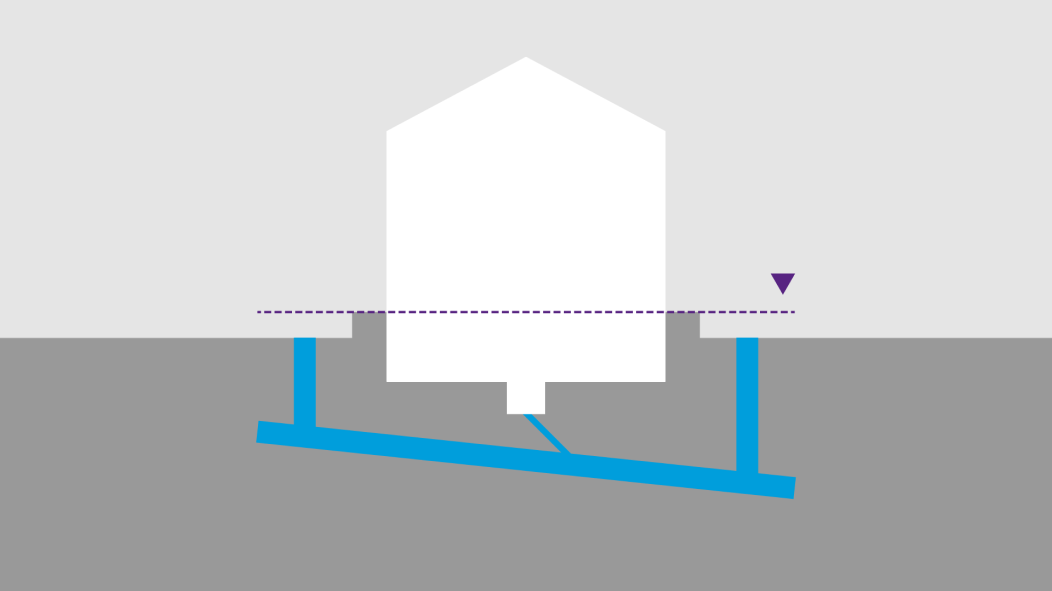
When installing separator systems in the ground, the following must be observed:
- that there are no supply lines or cables in the planned area.
- It must be ensured that access for maintenance, inspection and disposal is guaranteed at all times.
- To facilitate the user-friendly insertion of bubbles during a leak test, an inspection chamber may need to be installed upstream of the separator.
- The installation site should, where possible, be located outside the traffic area and must be chosen so as not to impair subsequent land use.
- Separator systems for light liquids should be installed near the points where the contaminated water is generated,
- the systems must be easily accessible to disposal vehicles. Special operating conditions or structural circumstances may necessitate a location further away from the points where the wastewater is generated.
- Separator systems should be arranged in such a way as to prevent frost damage, and all parts requiring regular maintenance must be easily accessible at all times.
- Where necessary, covers for separator systems must be supported in such a way that the load on the separator does not exceed its load-bearing capacity.
- For load class D up to 40 t, a load distribution plate on site is required. We can supply the relevant reinforcement plans.
- A water connection for filling and Cleaning the separator system must be provided.
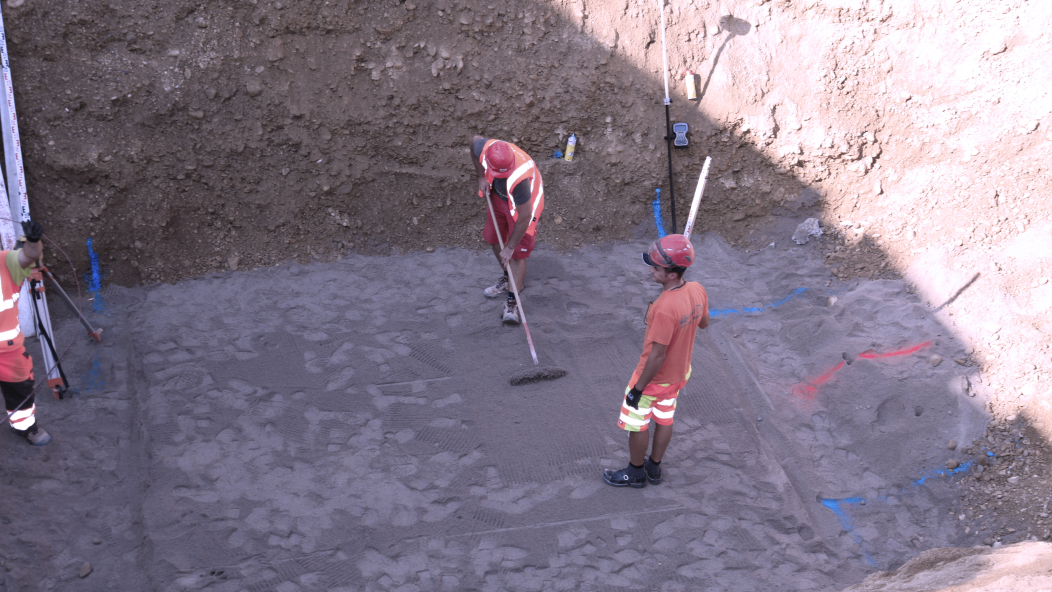
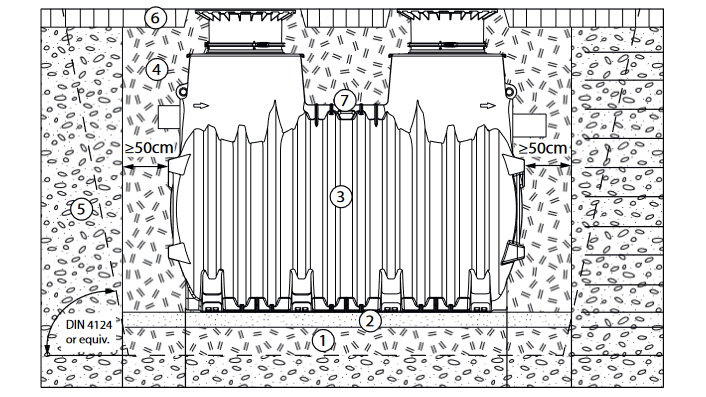
- Backfilling the excavation and filling the tank: The tank must be backfilled in layers with 0/16 crushed stone, with each layer of max. 30 cm compacted to Dpr=97% using light compaction equipment. At the same time, the tank must be filled with water so that there is a maximum difference of 30 cm between the liquid level and the level of the backfill material.
- Installation on sloping ground: When installing the separator on sloping ground, it is essential to ensure that the horizontal earth pressure on non-cohesive soil is counteracted by a retaining wall of appropriate design.
This might also interest you [Planning & Regulations, Light liquid separator]
Readers of this article also viewed the following posts.
[Planning & Regulations, Light liquid separator]
[Planning & Regulations, Light liquid separator]
[Planning & Regulations, Drainage technology]
[Planning & Regulations, Backwater protection]