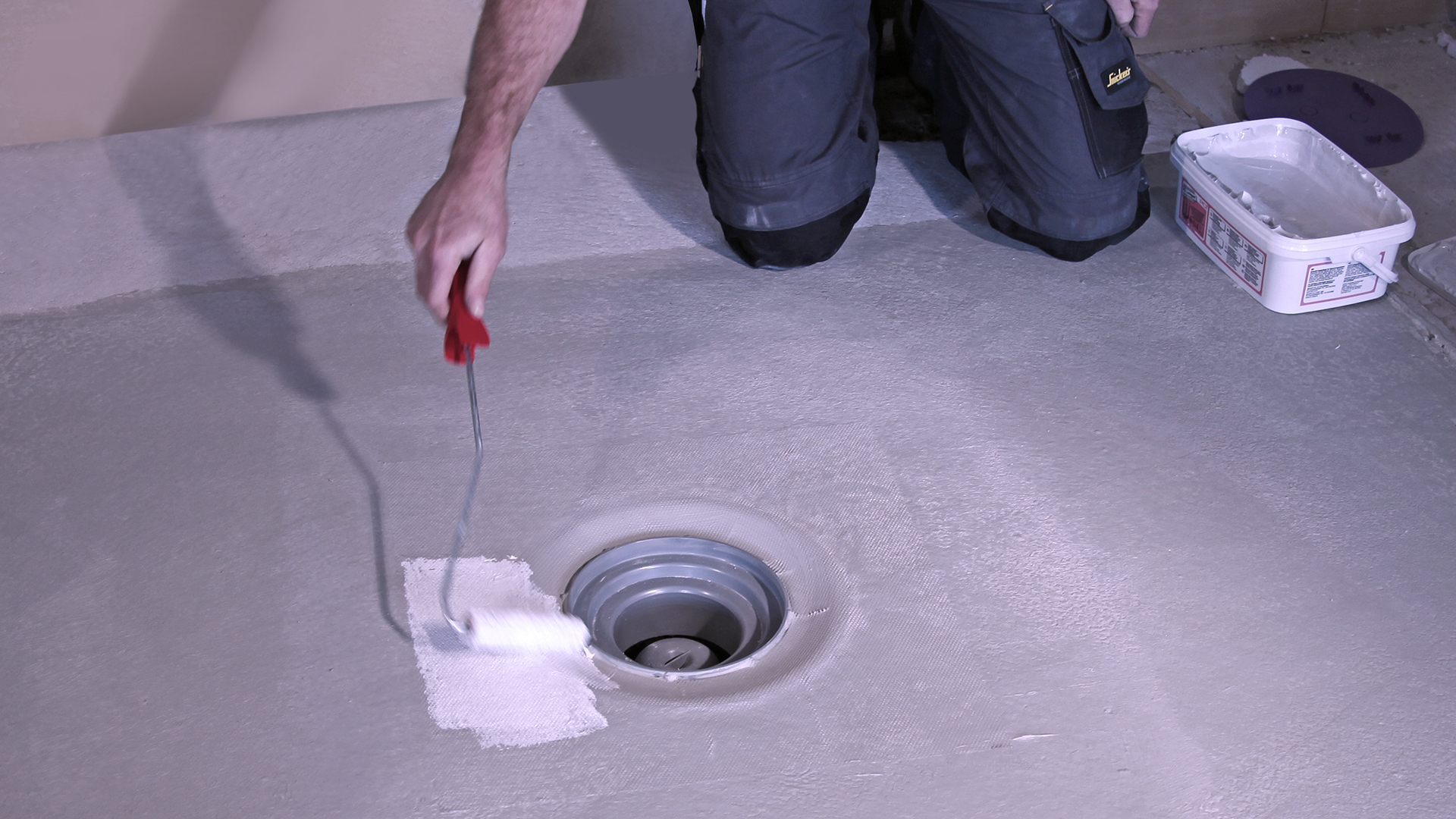
Background: Why are glued flanges used?
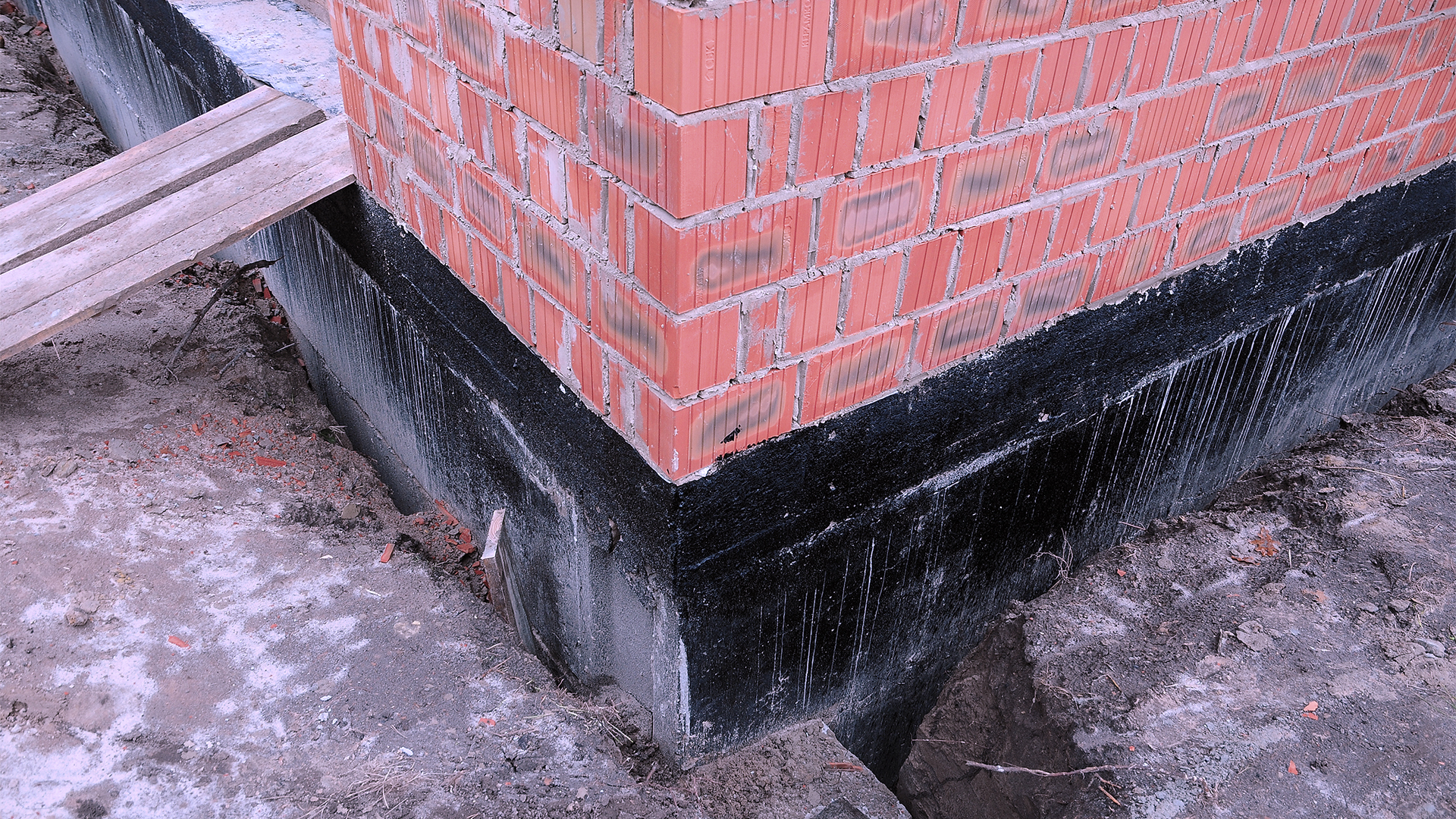
Shower channels, box channels and slotted channels, as well as floor trays with glued flanges, are the most common types used with tiled or coated floors. The waterproofing layer with a glued flange ensures that water does not penetrate beneath the floor covering into the underlying structure. This prevents damage caused by moisture.
In practice: Which products are fitted with glued flanges?
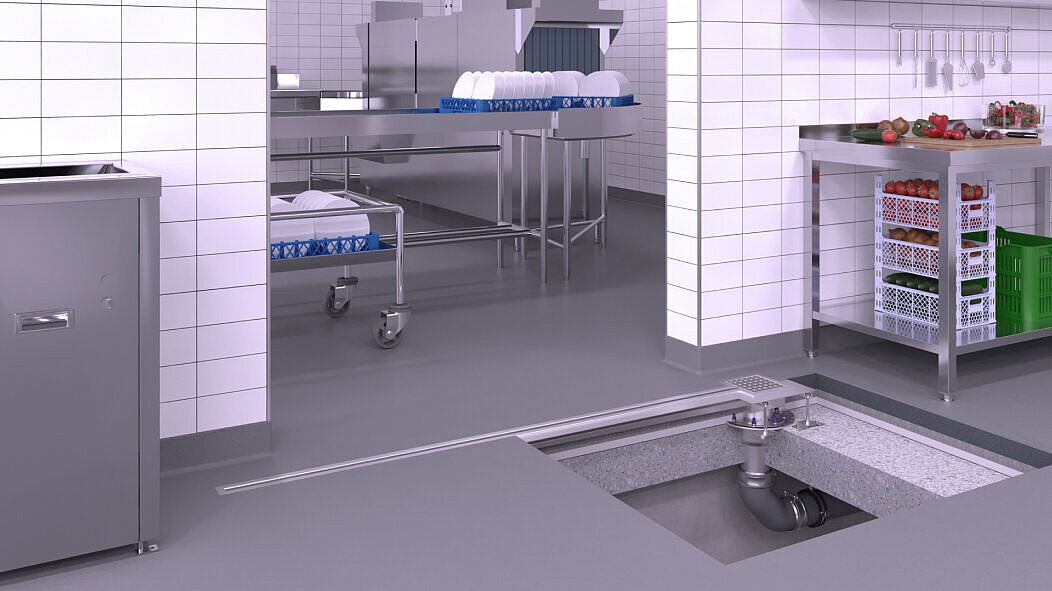
Where a waterproofing layer is installed beneath the tiles or floor covering, it must also be connected to the floor drain. This may be the case in several places within a property: whether it is the floor drain in the shower, the box channel in a commercial kitchen or the floor tray in a commercial property.
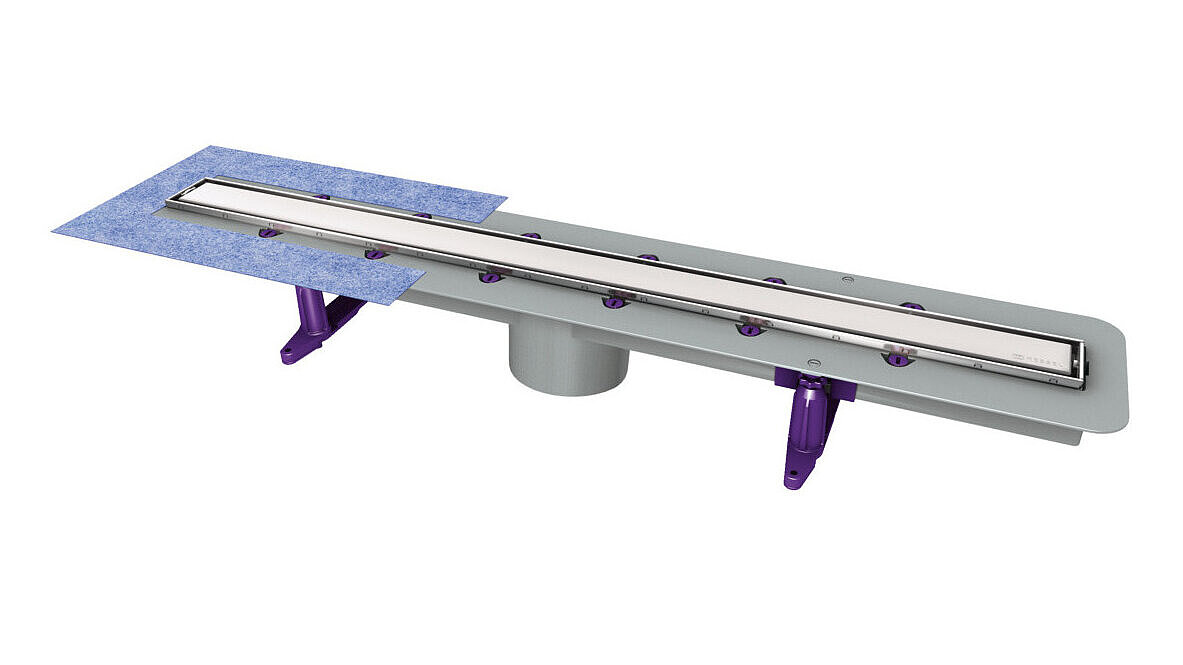
Linearis Compact shower channel with glued flange
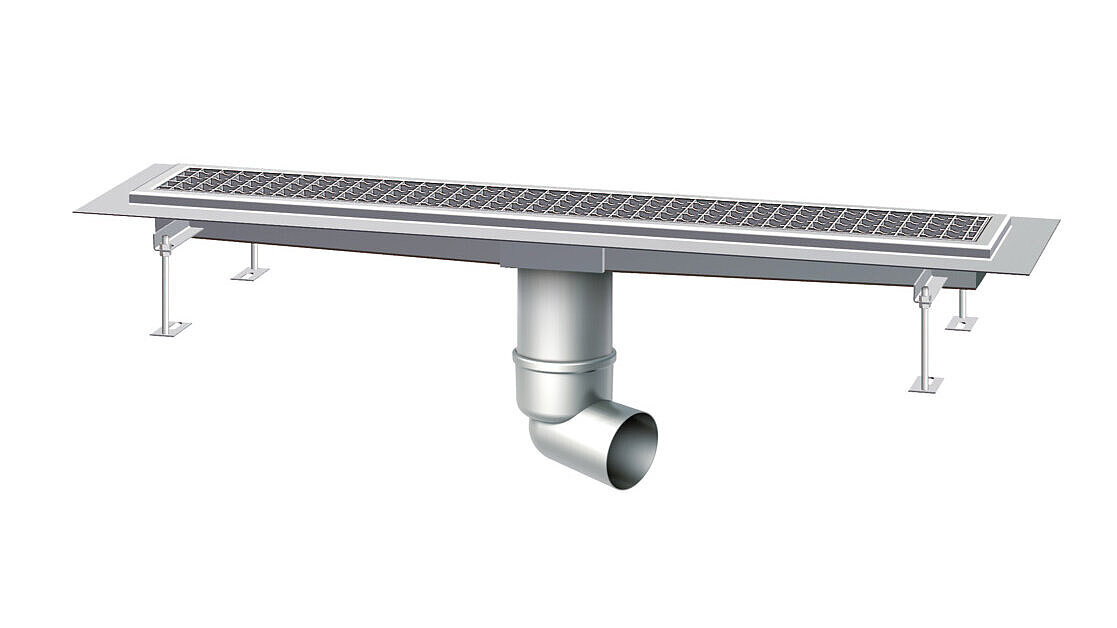
Box channel with glued flange
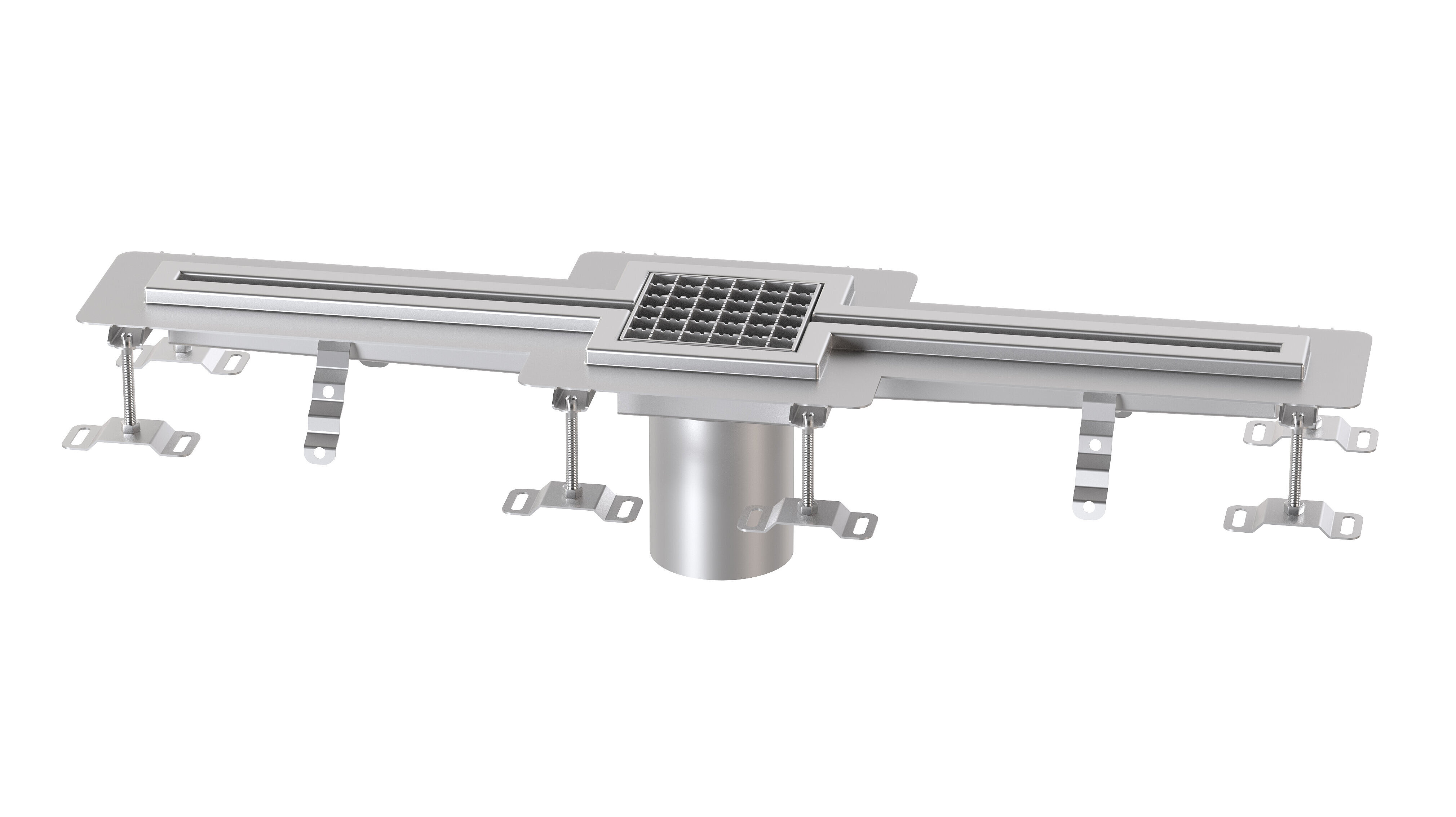
Slotted channel with glued flange
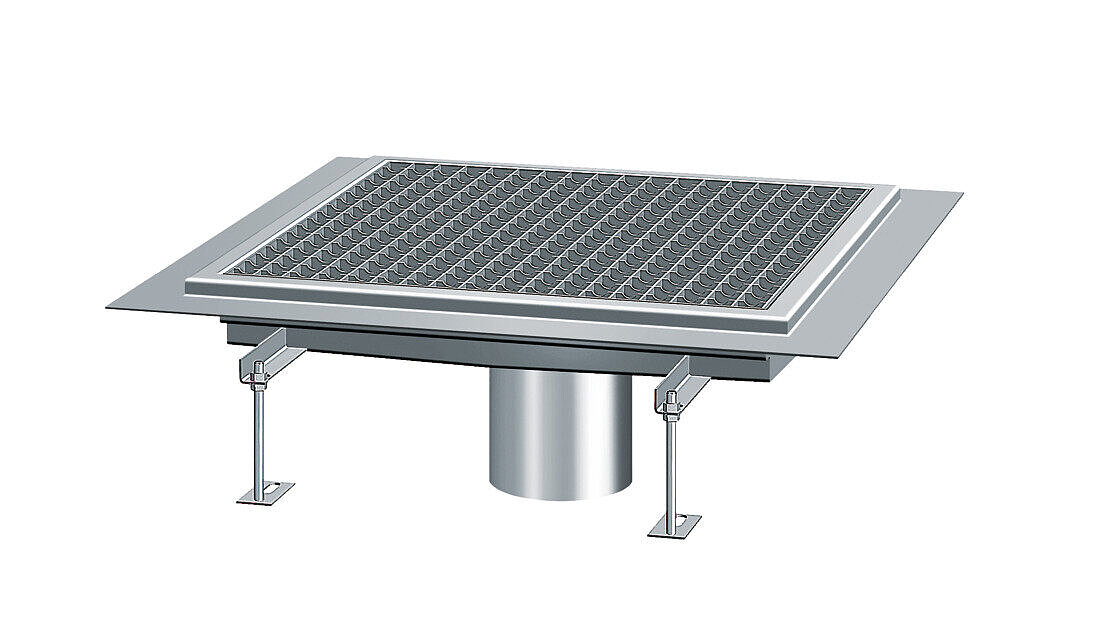
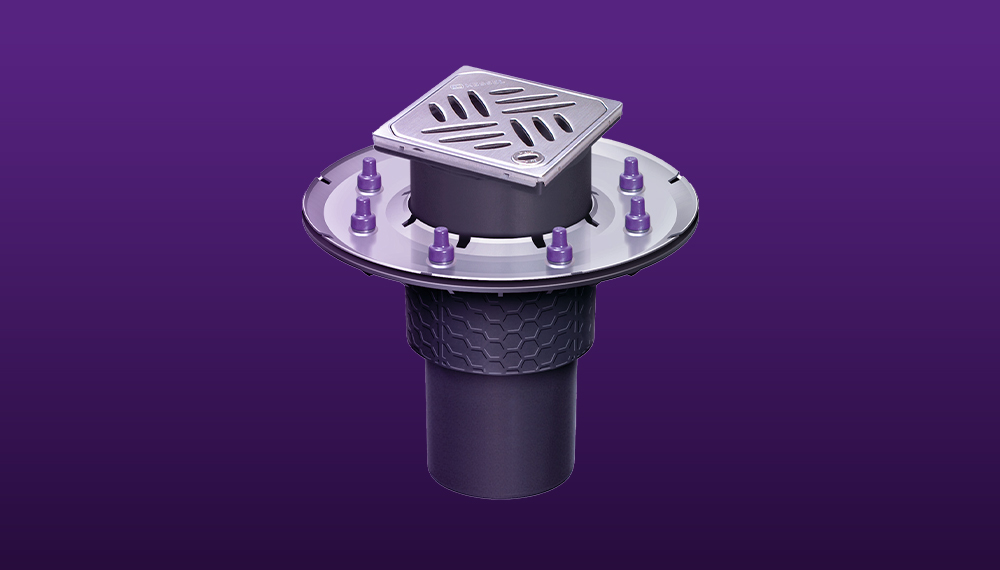
Floor tray with glued flange

Care must be taken when determining the space required for a floor drain with a glued flange: Firstly, the flange width of the relevant component must be taken into account. Furthermore, the space required for the complete underlay and for fixing the channel in the screed must also be taken into account. This installation within the screed affects the space required and has an impact on the length or width of the relevant floor channel or floor tray.
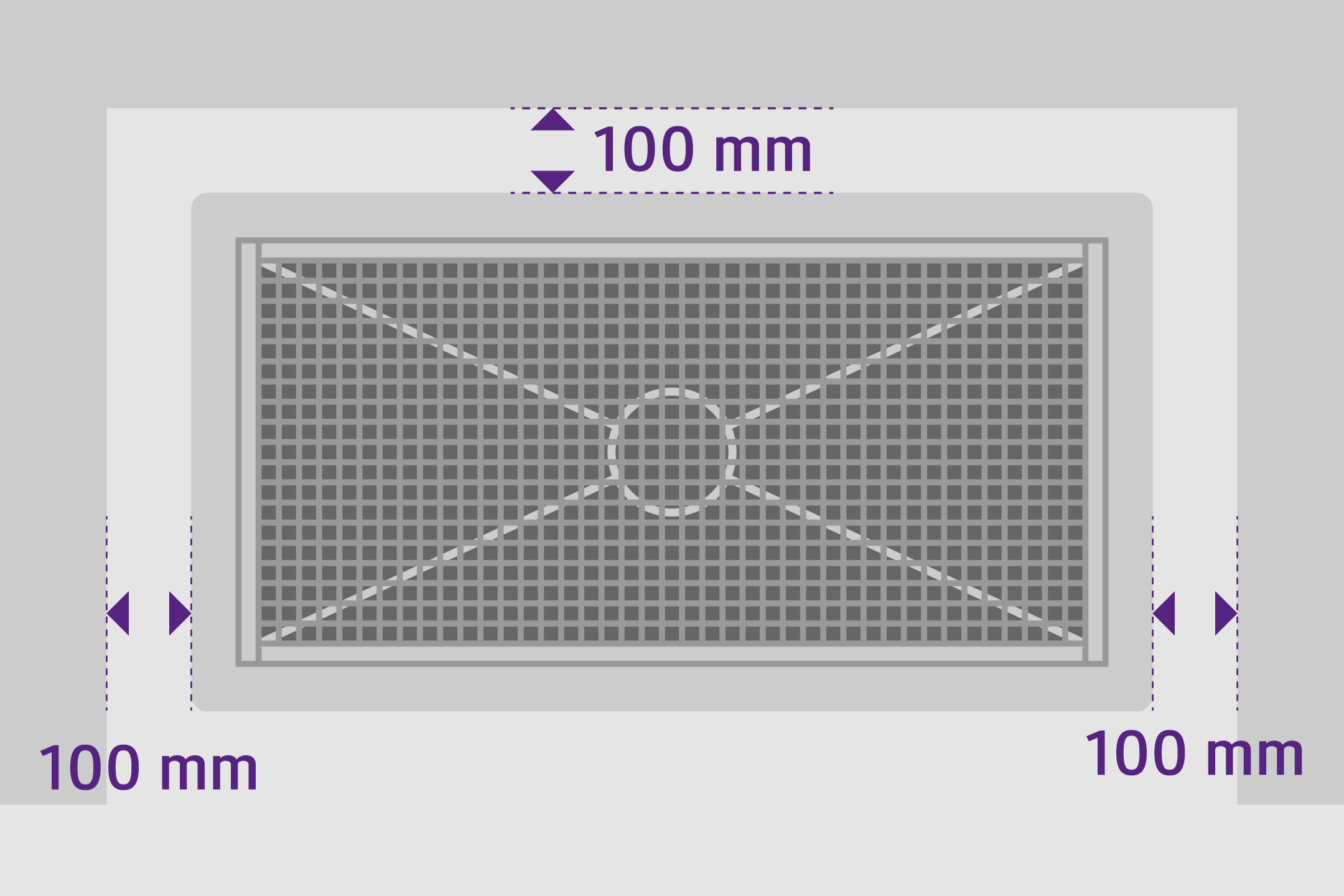
Particular care is required, especially in the case of architectural features such as recesses, project-specific constraints relating to the room’s geometry, or existing fixtures in the room such as plinths or doors. In practice, a space requirement of 100 mm has proven to be a good guideline. To be on the safe side, however, this value should always be agreed upon on a project-by-project basis with the relevant trades.