Selecting drainage products: Take load classes into account!
Covers for drainage products intended for installation in floors and ground, such as drains, separators and pumping stations, must be able to withstand the maximum possible loads at the respective installation site. The test load used to test a cover is indicated by its load class. This must be taken into account when selecting a product; in case of doubt, the next higher load class should be chosen. The choice of the appropriate class is the responsibility of the designer.
Load classes for drains in and around buildings
in accordance with DIN EN 1253-1
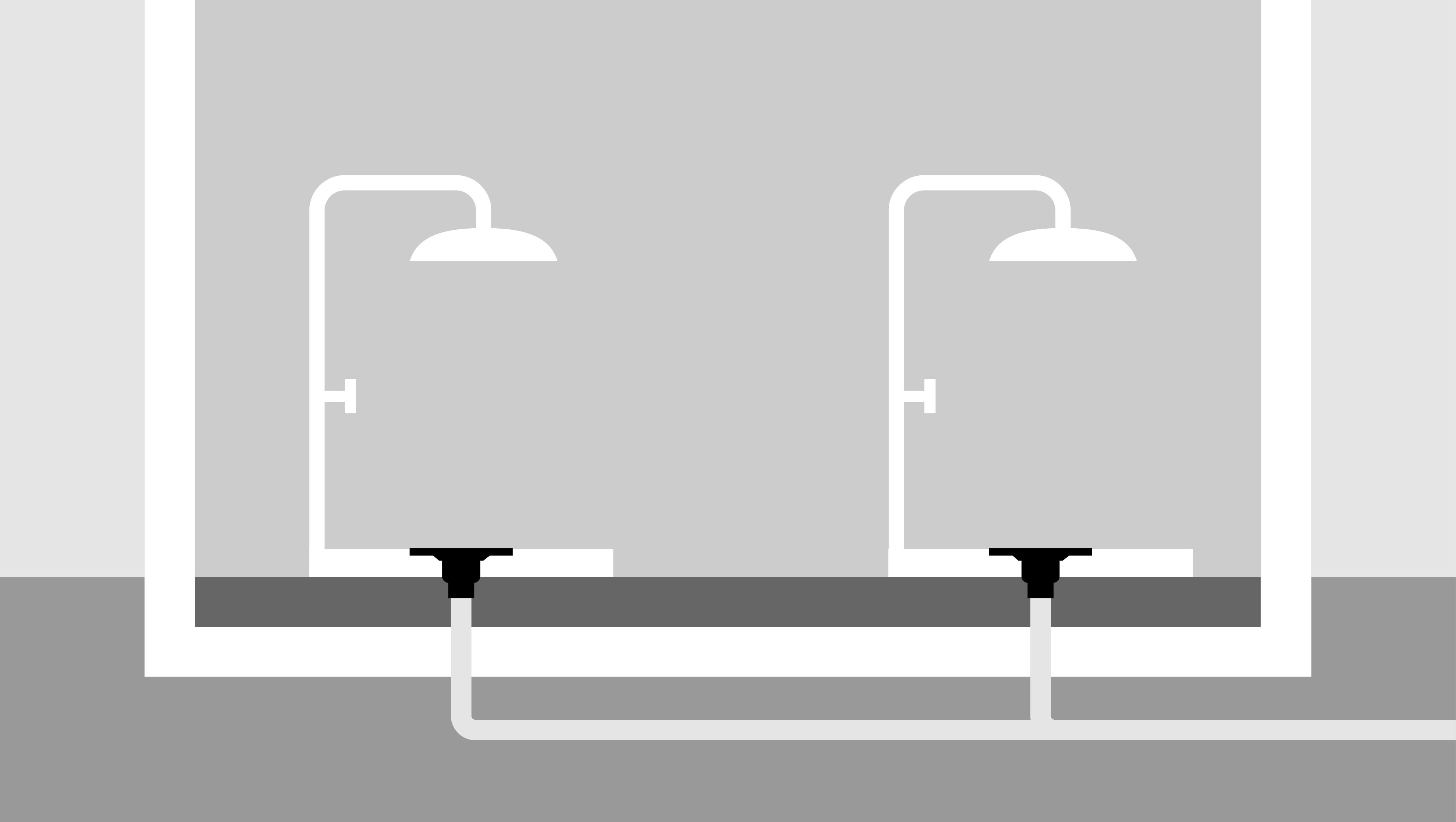
Class K 3
- Test load approx. 300 kg
- Areas without vehicle traffic, such as residential properties, commercial buildings and some public buildings

Class L 15
- Test load approx. 1.5 tonnes
- Areas with light vehicle traffic, such as in commercial premises and public areas
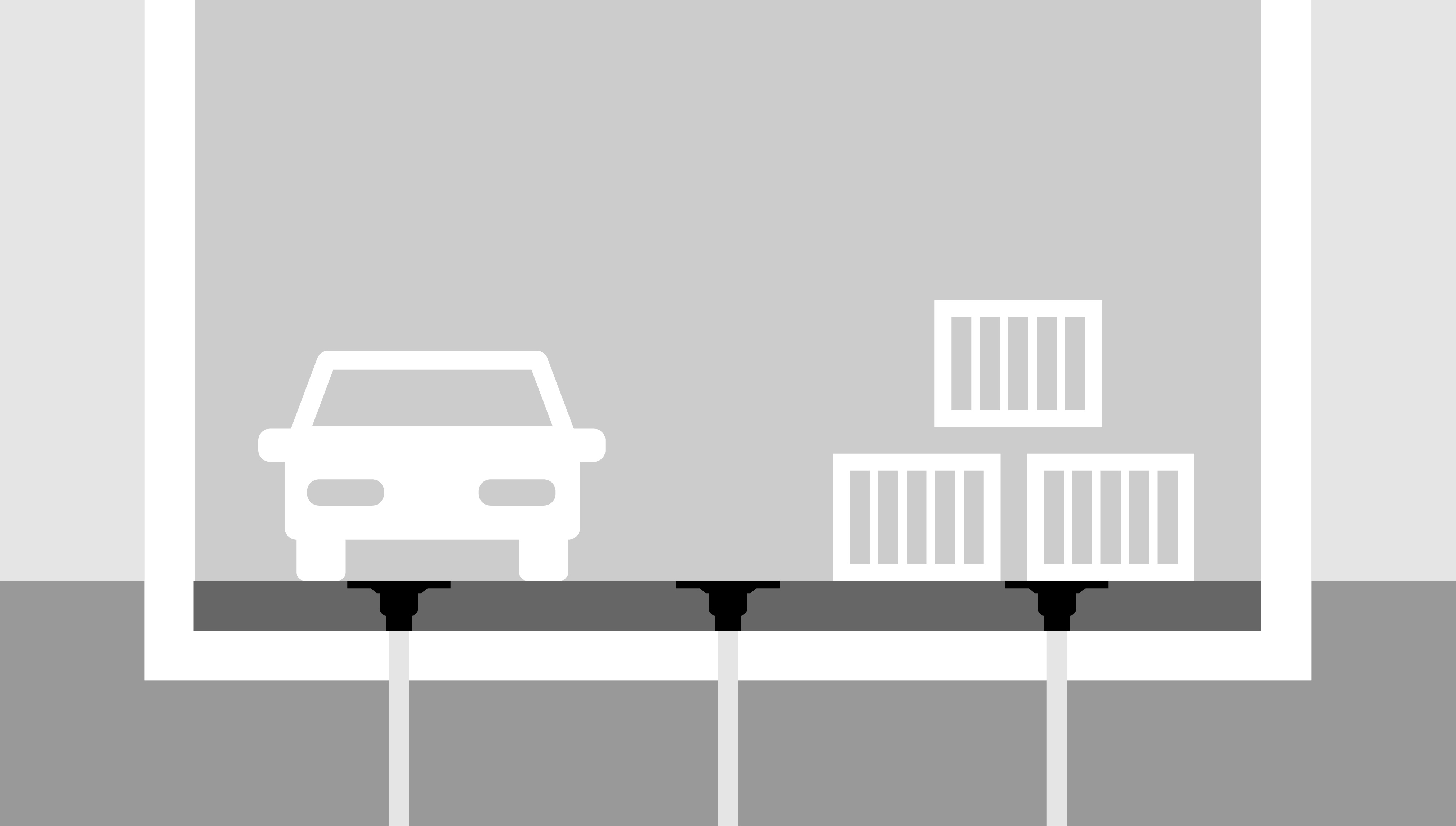
Class R 50
- Test load approx. 5 tonnes
- Areas subject to vehicle traffic, such as in commercial premises and factories

Class M 125
- Test load approx. 12.5 t
- Areas with vehicle traffic, such as car parks, factories and workshops

Class N 250
- Test load approx. 25 t
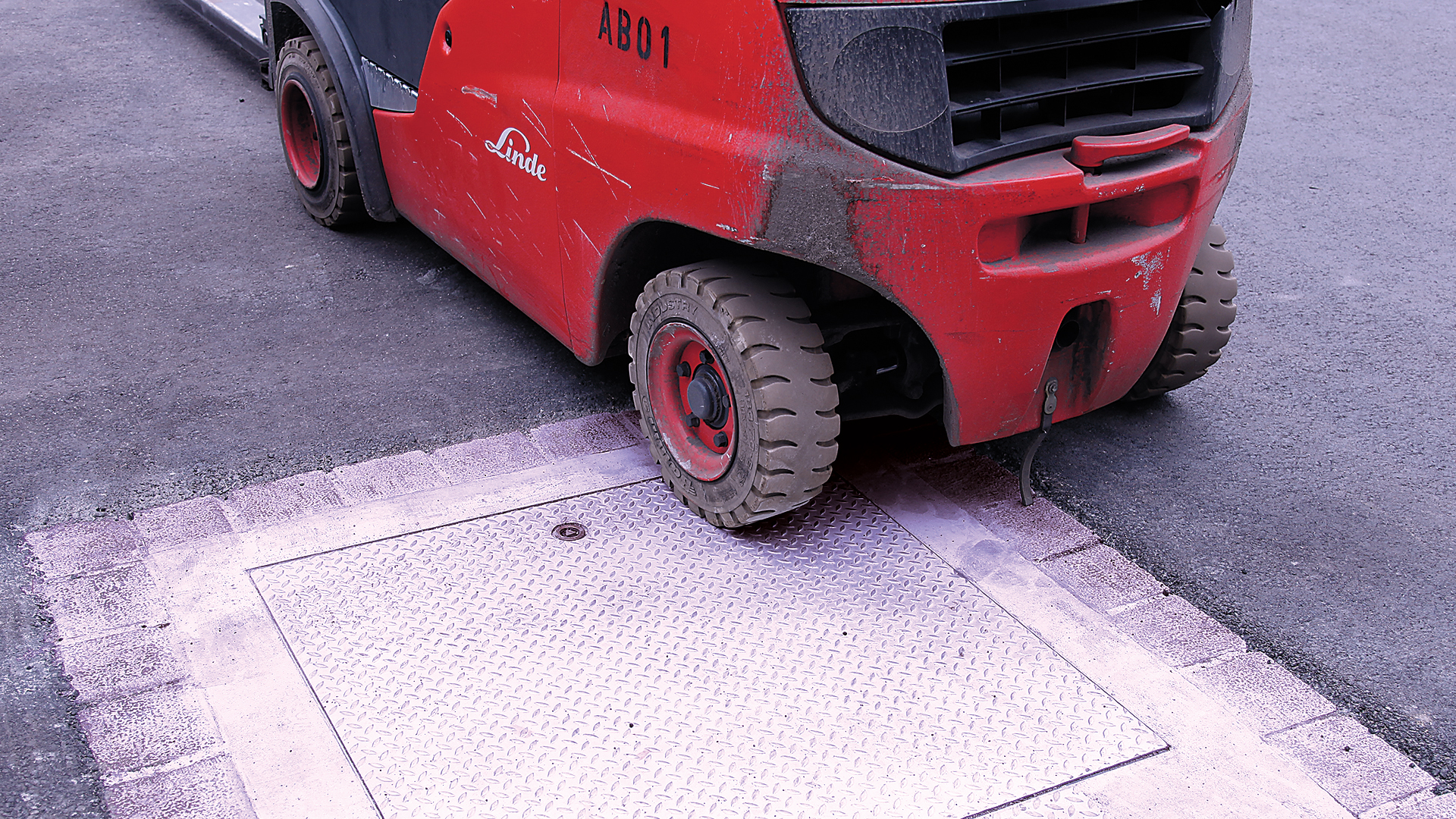
- Industrial areas with heavy-duty forklift traffic, such as food processing facilities, chemical plants or process engineering facilities

Class P 400
- Test load approx. 40 t
- Areas subject to particularly high loads, including food processing areas, chemical or process engineering facilities where surfaces are exposed to loads from industrial forklift trucks and/or manoeuvring heavy-duty vehicles that drain industrial Gabelstapler and/or manoeuvring heavy-duty
Load classes for (grating) covers in traffic areas
in accordance with DIN EN 124
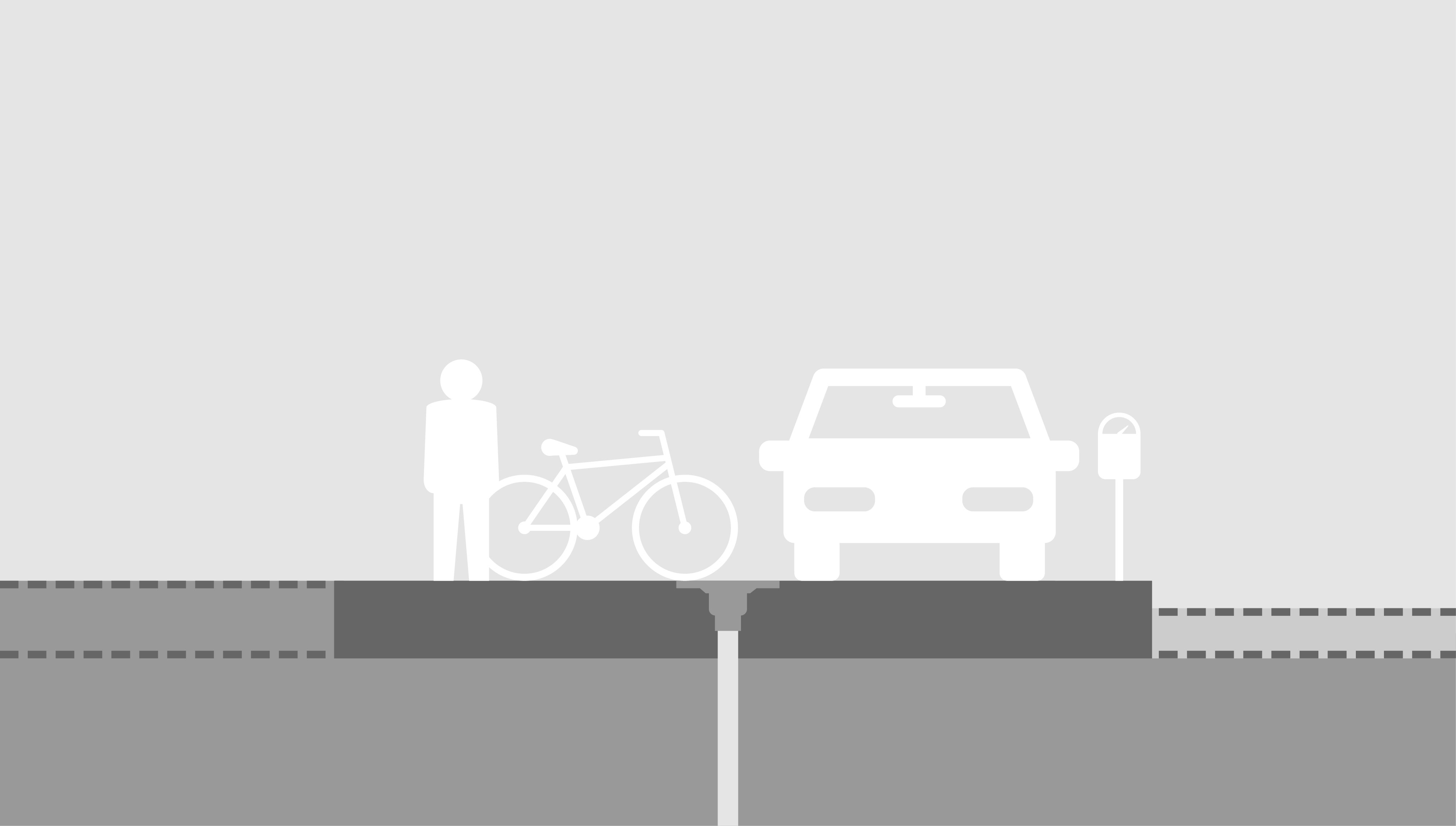
Group 2 (minimum class B 125)
- Test load approx. 12.5 tonnes
- Pedestrian zones and similar areas, car parks or multi-storey car parks
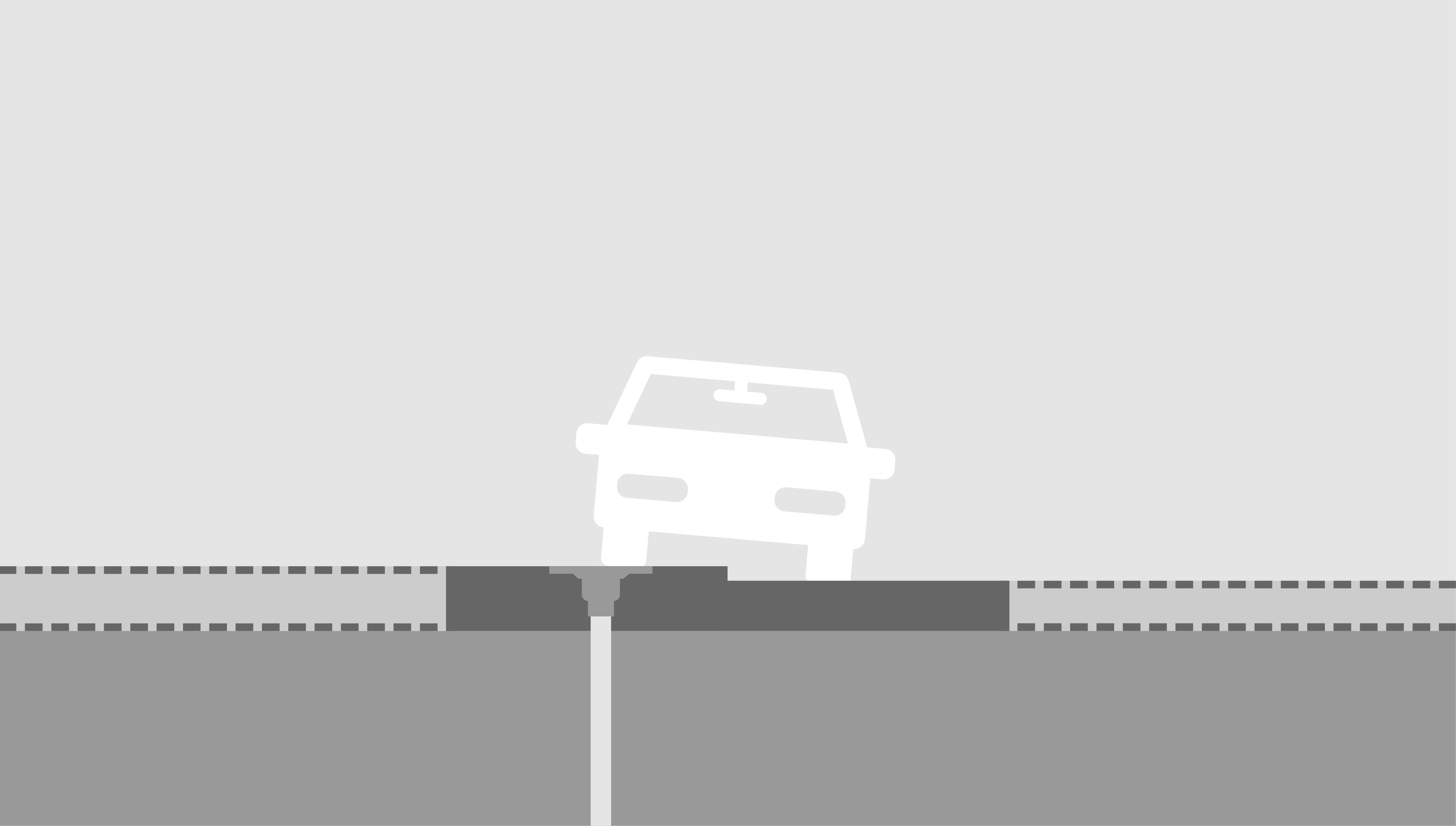
Group 3 (minimum class C 250)
- Test load approx. 25 t
- For structures in the kerb gutter area of roads which, measured from the kerb edge, extend no more than 0.5 m into the carriageway and no more than 0.2 m into the pedestrian zone
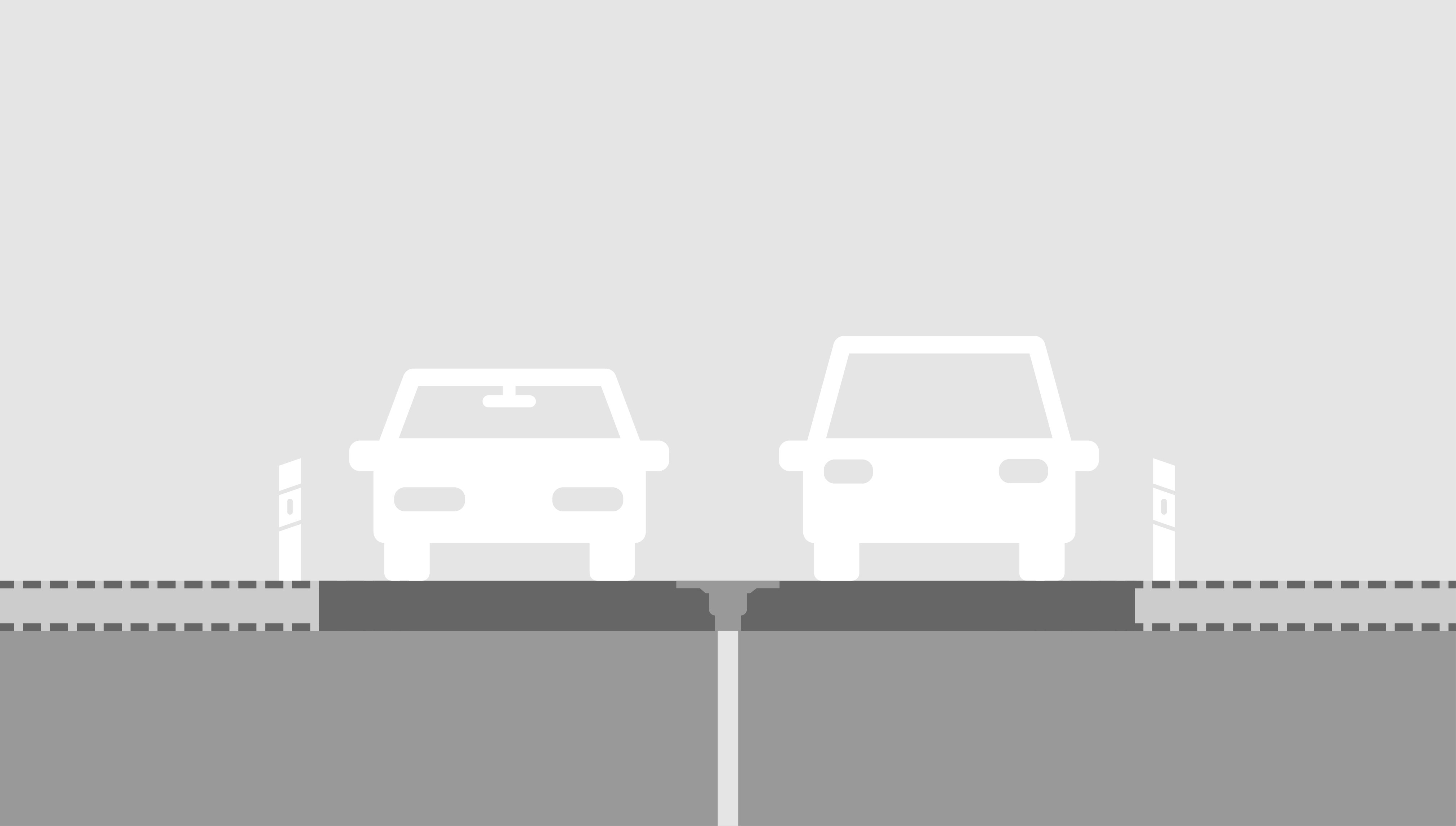
Group 4 (minimum class D 400)
- Test load approx. 40 t
- Road carriageways (including pedestrian streets), road verges and parking areas approved for all types of road vehicles

Group 5 (minimum class E 600)
- Test load approx. 60 t
- Surfaces subject to high wheel loads, e.g. port facilities, airfield surfaces

Group 6 (minimum class F 900)
- Test load approx. 90 t
- Areas subject to particularly high wheel loads, e.g. airfield surfaces
This might also interest you [Basics, Drainage technology]
Readers of this article also viewed the following posts.
[Basics, Drainage technology]
[Basics, Drainage technology]

[Basics, Drainage technology]
[Basics, Drainage technology]